 6 minute read
Short Codes Explained: When to Use Them Instead of 10DLC or Toll-Free
A practical guide to short codes, what it takes to launch, and when they are the right fit for your texting program.
Choosing the right texting line shapes how your program launches, scales, and reaches your audience when timing matters most. That is why more organizations are thoughtfully deciding whether short code, 10DLC, toll-free or a combination of the options works best for their texting strategy.
The right choice depends on your goals, your timeline, and how texting fits into your overall outreach. Short codes can be a powerful option for programs that need to scale, from marketing and promotions to alerts, notifications, and political or advocacy outreach, but they are not always the right fit for every team.
This guide breaks down:
- What short code is
- How it compares to 10DLC and toll-free
- What it takes to get approved and launch
- How long the process typically takes
- How to choose the right option for your texting program
What Is a Short Code?
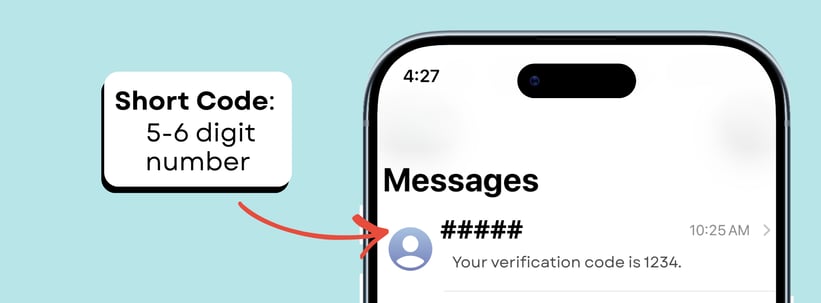
A short code is a 5- or 6-digit phone number designed for high-volume organizational texting that needs to scale outreach, simplify opt-ins, and support consistent communication with your audience.
Unlike a standard 10-digit number, short codes are typically used by programs that want a dedicated texting number they can use across campaigns or initiatives over time.
Organizations use short codes for:
- Fundraising and voter outreach
- Marketing and promotions
- Alerts and notifications
- Event reminders and updates
- Customer or member communication
For example, a political campaign may use the same short code across election cycles, while a university might use it for admissions outreach, event reminders, and ongoing student communication.
They allow organizations to create a consistent channel for outreach rather than a one-time initiative.
How Is a Short Code Different From 10DLC or Toll-Free?
All three channel types can send text messages, but they serve different roles depending on how your program operates.
Short code
Use a short code when texting is a core public-facing, opt-in channel for your program.
They have the highest setup and monthly fees because of their premium functionality and the most rigorous carrier approval process that typically takes 6-8 weeks.
Short codes are built for high-volume programs that want a memorable number and no messaging limits, but they usually require more planning, approval time and budget than 10DLC or toll-free numbers.
Best fit for:
- Keyword opt-ins
- Public promotion across events or media
- Appointment, event or status updates
- High-volume repeat engagement
- Long-term presence
10DLC
Use 10DLC when your team needs a flexible texting number for day-to-day outreach.
They have the lowest setup and monthly registration costs and a straightforward setup process, typically taking a few days to a week.
10DLC is often the practical choice for campaigns and organizations running peer-to-peer (P2P) texting and rapid-response programs. It gives you the familiarity of a standard 10-digit number, often with a local area code, plus the structure carriers expect for approved organizational texting. However, 10DLC messaging suffers from varying daily throughput rates based on the use case (i.e., there is a limit to how many messages you can send per day depending on your organization AND messaging), unlike toll-free and short code numbers, which do not face such limits.
Best fit for:
- Programs that need to launch and iterate quickly
- Conversational P2P texting
- Ongoing communication and outreach from a recognizable, localized 10-digit number
- Voter, donor and supporter outreach
- Sending more messages does not automatically increase results.
Toll-free
Use toll-free when you need a recognizable business-style number for steady, service-oriented texting.
They have moderate costs that vary depending on the volume of messages and an involved setup that usually takes two weeks, with a simple registration process for messaging.
Toll-free can work well for support, confirmations, information requests and programs that need some scale without using a short code. It is less “campaign-native” than 10DLC for conversational outreach, but it can be a strong fit when consistency and recognizability matter more than local identity.
Best fit for:
- Service or support messaging
- Appointment, event or status updates
- A consistent public-facing business number
- Flexible use cases with some scale

What Is the Process of Getting a Short Code?
Short codes require more setup than 10DLC or toll-free numbers. To get a short code, teams typically move through the following steps:
1. Choose your short code
- Vanity short code - a number you select (for example: 12345 or 223344)
- Random short code - a number assigned to you that works the same way
2. Define your messaging program
Before applying, you need to outline:
- A defined messaging strategy
- A compliant opt-in flow
- Real message examples
- Legal language (Mobile Terms and Privacy Policy)
Most approvals take 6-8 weeks upon application submission.
👉 Most delays in short code launches stem from compliance updates not being made in a timely manner.
3. Submit application details
You will provide:
- Organization or campaign information
- Messaging use case
- Opt-in flow
- Message samples
- Privacy Policy and Mobile Terms URLs
- Website or landing page
4. Review and provisioning
Once the application is submitted, the program is reviewed for compliance. Phone carriers take turns testing and reviewing the application. Once approved, you can start sending immediately.
While the application is pending, we can work with you to set up workflows, list segments, and message templates so everything is ready to go on approval.
How Long Does It Take to Launch a Short Code?
Short codes typically take 6-8 weeks from the date of application, depending on the review process and how quickly updates are addressed.
Timelines depend on:
- How complete your application is
- How clear your opt-in process is
- How compliant your Mobile Terms and Privacy Policy are
- How well your messaging aligns with your use case
If your program is not clearly defined, delays are highly likely to occur.
Rule of thumb: If you are thinking about short code during your busiest outreach window, you are already behind.
What Gets Reviewed During Verification?
Short code approval is primarily based on the program behind the number, not just the assignment of the number itself. Before launch, your messaging program needs to show that it is clear, consistent, and compliant.
This includes:
- How contacts opt in
- What messages contacts expect to receive
- Messaging matches the stated use case
- Opt-out and help flows work correctly
- Your organization is clearly identified
- All forms that collect phone numbers across your website are compliant and consistent
- Privacy Policy and Terms are compliant and clearly accessible

When Should You Use a Short Code?
Short code makes the most sense when texting is a core part of your outreach strategy and you need a consistent way to reach the same audience over time.
It is especially effective for programs that rely on public opt-in promotion, such as events, media, or broader outreach efforts, as well as teams running ongoing fundraising or mobilization efforts.
Compared to 10DLC or toll-free, a short code is better suited for handling higher message volume and supporting programs that need a more established and scalable texting setup.
The goal with short code is to build a texting program that is intentional and easy for people to return to.
When You Probably Do Not Need a Short Code
Short code is built for scale and consistency. If your messaging program does not require both, it may not be the right fit.
You are likely better off with 10DLC or toll-free if your outreach is:
- Smaller in scale
- Short-term or event-specific
- Primarily conversational rather than opt-in or broadcast-driven
- Still testing messaging strategy
- Operating on a tight timeline
In these cases, it makes more sense to start with a setup that allows you to move faster and iterate.
Do You Need a Vanity Short Code?
In many cases, no.
A vanity code can help if you are promoting your number heavily across:
- Direct mail
- TV or radio
- Signage or events
Vanity short codes also come at a higher cost, typically around double the price of a random short code, so they are best used when memorability is central to your outreach. Most modern texting programs, however, rely on links, replies, and contact cards rather than memorizing numbers.
For larger, high-visibility SMS programs or campaigns, a vanity short code can make sense when the number is part of broader public promotion, while for more targeted programs, a random short code is typically sufficient when engagement is driven by direct outreach rather than memorability.
The better question is not whether the number is catchy, but whether your program gives people a reason to keep engaging.

How RumbleUp Helps
At RumbleUp, we help organizations evaluate whether short code, 10DLC, or toll-free is the right fit based on their goals, timeline, and program structure.
We support teams through every step of the process:
- Choose the right messaging channel based on scale, use case, and long-term strategy
- Navigate registration and compliance requirements with clear guidance
- Prepare and submit applications to avoid delays or rejections
- Structure messaging programs to align with how carriers evaluate traffic
- Set up opt-in flows and compliant messaging that support approval and long-term performance
- Monitor delivery and troubleshoot issues with both automated systems and hands-on support
- Launch faster with expert guidance, moving from setup to sending without guesswork
- Access support 7 days a week, with a team ready to assist and troubleshoot in real time
Our approach is built on one principle:
“Texting success comes from earning consistent access to the handset through the right
setup, compliance, and ongoing support.”
Bottom Line
Short code is not the right choice for every program, but it becomes a strong option when texting plays a central role in how you reach and engage your audience at scale.
It requires more planning to launch a program designed to run over time rather than a one-time initiative.
In the end, success with short code is not about the number itself; it is about building a texting program that is intentional, compliant, and worth engaging with.
 6 minute read
%2c%20an%20Independent%20Study%20on%20Whether%20Political%20Texting%20Works%2c%20and%20MMS%20Images%20on%20iOS%2027.png)